 Still
What actually matters in a small space
The limiting factor in an apartment home gym usually isn't money, it's square footage and storage. The goal is equipment that is versatile enough to cover strength, mobility, and some cardio, and compact enough to tuck into a closet or behind a couch when you're not using it. A single adjustable tool that replaces five fixed ones is almost always the better buy in a small space, even if the upfront price looks higher.
The core equipment list and approximate prices
Prices vary by retailer and change with sales, but this is a reasonable budget breakdown that stays comfortably under $500 total:
- Adjustable dumbbell pair (5–52.5 lb per hand) — roughly $200–$250. This is the single biggest line item and the one most worth spending on, since it replaces what would otherwise be ten or more pairs of fixed dumbbells.
- Exercise mat — roughly $25–$40 for a thicker, more durable mat that holds up to both floor work and light equipment.
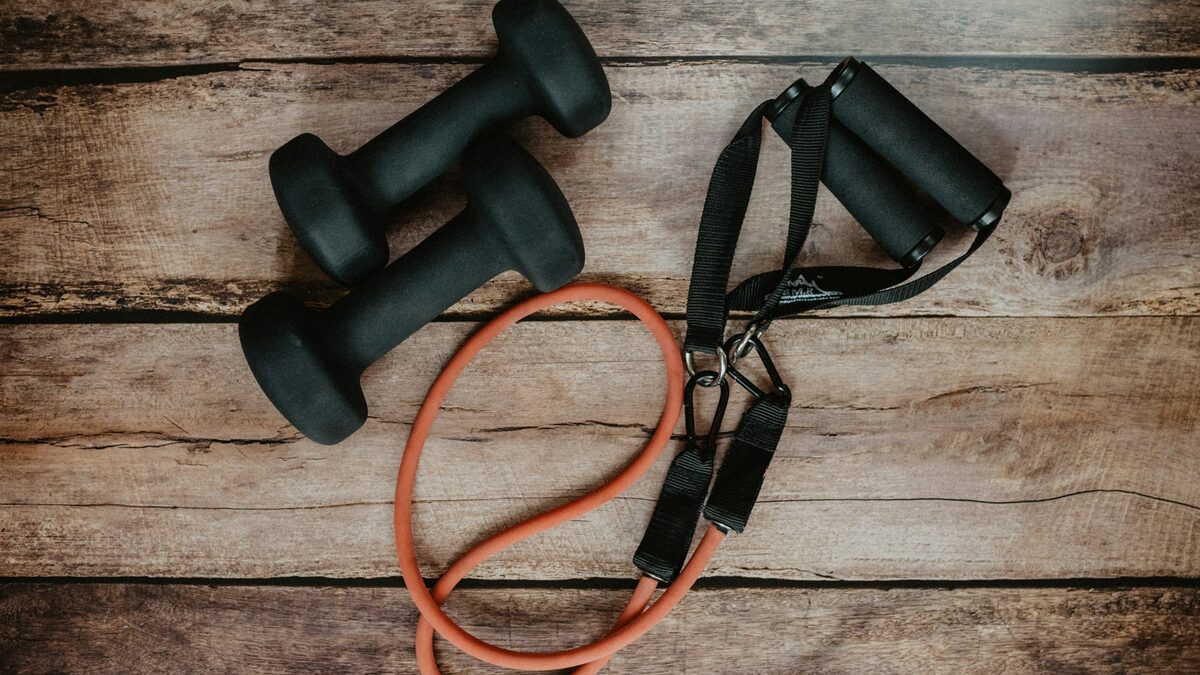
- Resistance band set with handles and a door anchor — roughly $20–$35.
- Over-the-door or doorframe pull-up bar — roughly $30–$50, no mounting hardware required for most models.
- Adjustable weight bench (folds flat for storage) — roughly $80–$130.
- Jump rope — roughly $10–$15, a genuinely space-efficient way to add cardio.
- Foam roller — roughly $15–$25 for basic recovery and mobility work.
That list lands somewhere around $380 to $545 depending on brand and sales, so trimming the bench or starting with a lighter dumbbell range are the easiest ways to stay comfortably under $500.
A layout that works in a studio or one-bedroom
Most of this equipment can live in a space roughly the size of a yoga mat when it's time to train, and in a closet, under a bed, or in a stackable bin otherwise. A folding bench is the one item worth measuring for before you buy, since even compact folded dimensions can be awkward in a very small closet. If you're on a second floor or share walls, a thicker mat under the dumbbells also helps reduce noise and protects flooring.
How much activity this setup can actually support
General physical activity guidelines commonly cited by health authorities suggest adults aim for roughly 150 minutes of moderate aerobic activity per week, along with muscle-strengthening activity on two or more days a week that works the major muscle groups. A dumbbell, band, and bodyweight setup is genuinely capable of meeting the strength portion of that guidance, and a jump rope or bodyweight circuit can contribute to the cardio portion, though it won't fully replace the sustained aerobic benefits of running, cycling, or swimming for everyone.
Where it's worth spending a little more
If your budget has a little flexibility, the two upgrades that tend to matter most are a slightly heavier dumbbell range if you already have some training experience, and a bench with more incline positions, since that single piece of equipment unlocks the widest range of upper-body exercises. A cheap, flimsy bench is one of the more common regret purchases in this category because it limits confidence under moderate load.
Common mistakes when buying on a budget
A few patterns show up often enough to be worth flagging: buying a dumbbell range that's too light and outgrowing it within a few months, buying a mat that's too thin to protect joints or flooring, and buying several single-purpose gadgets (ab wheels, mini trampolines, novelty grips) before covering the basics above. It's generally more useful to get the core list solid first and add specialty items later once you know what you'll actually use consistently.
It's also worth checking a product's weight capacity and dimensions against your actual apartment before buying, especially for a bench, rather than relying on marketing photos alone. A handful of returns on an otherwise good budget plan can erase the savings quickly, so a few extra minutes reading the specific product dimensions and verified buyer reviews tends to pay off.
Before you start a new program
If you're new to strength training, returning after a long break, pregnant, or managing a cardiovascular, joint, or back condition, it's worth checking in with a doctor or physical therapist before starting a new home routine, and considering a few sessions with a qualified trainer to check your form on the main lifts, even if the rest of your training happens solo at home afterward.
Shop: the full under-$500 list
Approximate street prices; sales and bundle discounts can bring the total down further.
Replaces up to 10 pairs of fixed dumbbells; the single most space-efficient purchase on this list.
Check priceMultiple incline positions; folds flat for closet storage.
Check priceAdds pulling and rotational exercises without any extra floor space.
Check price