 Still
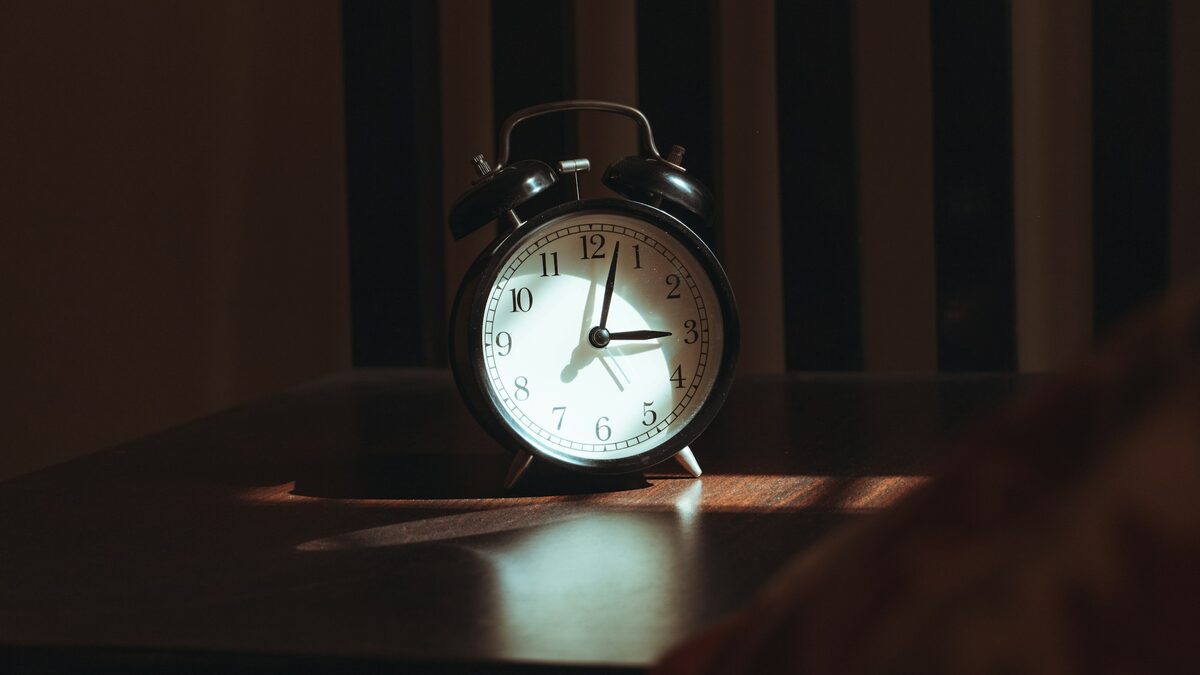
Waking up at night is more normal than it feels
Sleep isn't one continuous unbroken state. It cycles through stages roughly every 90 minutes, moving between lighter sleep, deeper sleep, and REM sleep, and brief awakenings between those cycles are a completely normal part of that structure. Most people simply fall back asleep within seconds or a couple of minutes and never remember it happening. A 3 a.m. waking only becomes noticeable, and frustrating, when you stay awake afterward instead of drifting back down quickly.
Researchers who study sleep architecture generally describe these brief arousals as a built-in feature rather than a flaw, something closer to a safety check than a malfunction. Historically, some sleep historians have pointed out that segmented sleep, waking for a stretch in the middle of the night before a second period of sleep, may have been more common before widespread artificial lighting. That context doesn't make a 3 a.m. waking pleasant, but it's a useful reminder that the experience itself isn't inherently abnormal, even when it feels that way at the time.
Why the mind seems to switch on in the middle of the night
A common pattern is waking briefly, then having stray thoughts about work, money, or something unresolved spiral into full alertness. Cortisol, a stress hormone, naturally has a complex daily rhythm, and some sleep researchers have discussed a possible link between stress-related hormone patterns and middle-of-the-night waking, though this is an area of ongoing research rather than a fully settled explanation. In practice, stress and anxiety are among the most frequently reported contributors people describe when this happens regularly.
Part of what makes this pattern so sticky is that a brief, ordinary awakening and an anxious mind can reinforce each other. The first night it happens might be a one-off response to a stressful day. By the third or fourth night, some people start to anticipate waking up, which itself raises general arousal and can make the waking more likely or the return to sleep slower, even once the original stressor has passed.
Common physical contributors
A few everyday habits show up often enough to be worth checking first:
- Alcohol — it can help you fall asleep initially but tends to fragment sleep in the second half of the night as it's metabolized.
- A bedroom that's too warm — body temperature naturally drops as part of falling and staying asleep, and a hot room can work against that.
- Heavy meals close to bedtime — can cause reflux or general digestive discomfort that interrupts sleep.
- A full bladder — a straightforward and very common reason for middle-of-the-night waking, especially with evening fluid intake.
- Light exposure — a partner's phone screen, a streetlight through thin curtains, or even a small LED can be enough to nudge lighter sleep toward waking in some people.
Age is also a factor worth mentioning. Sleep tends to become lighter and more fragmented later in life for many people, which is a normal part of aging rather than a disorder on its own, though it can make occasional wakings feel more frequent than they did a decade earlier.
Why checking the clock or your phone usually backfires
Looking at a bright phone screen activates your eyes and mind right when you want the opposite, and seeing the exact time can trigger anxious math about how little sleep you have left, which itself makes falling back asleep harder. It's generally more effective to keep the room dark, avoid checking the time, and if you're still awake after what feels like 20 minutes or so, get up briefly for a quiet, low-light activity rather than lying there growing more frustrated.
What generally helps
A consistent wind-down routine, a cool and dark bedroom, limiting alcohol and large meals close to bedtime, and having a plan for racing thoughts, like keeping a notepad by the bed to jot down a worry rather than ruminate on it, are commonly recommended starting points. Some people find a brief breathing exercise or body-scan relaxation technique helpful for easing back toward sleep without forcing it.
It can also help to separate the night of the waking from the pattern as a whole. Trying to force sleep in the moment, by watching the clock or mentally rehearsing a to-do list for tomorrow, tends to extend the awake period rather than shorten it. A calmer approach, treating one middle-of-the-night waking as unremarkable rather than a crisis, is often more effective over time than any single technique used in isolation.
When occasional waking becomes a pattern worth asking about
Waking once in a while is ordinary. It's worth bringing up with a doctor if it's happening most nights for several weeks, if you're consistently awake for long stretches afterward, if it's paired with loud snoring or gasping that a partner notices, or if daytime function (concentration, mood, driving safety) is clearly suffering. Those patterns can point to insomnia, sleep apnea, or another condition that benefits from a proper evaluation rather than more troubleshooting on your own.